Timber Creature Shape Match succeeds by focusing on a single, well-executed mechanic: fitting shapes into slots. The wooden art style gives the game a tactile, warm feel that sets it apart from typical digital puzzles. Progression is smooth, with each level teaching a small lesson in spatial reasoning. The absence of timers or penalties encourages thoughtful play, making it a great choice for both children and adults who want a low-stress mental workout. While it does not offer multiplayer or complex storylines, its simplicity is its strength.
Timber Creature Shape Match presents a series of boards where each contains empty outlines. Players receive a collection of animal-shaped pieces crafted from a virtual wood material. The objective is to identify which piece belongs in each slot and place it correctly. This process repeats across many levels, with each new board introducing a different arrangement of shapes and slots.
Controlling the pieces is straightforward. A player selects a piece and moves it to a slot on the board. When a piece fits, it settles into place with a subtle visual confirmation. If the piece does not belong, it remains outside the board, allowing the player to try another location. This trial-and-error approach encourages observation and logical deduction without penalty.
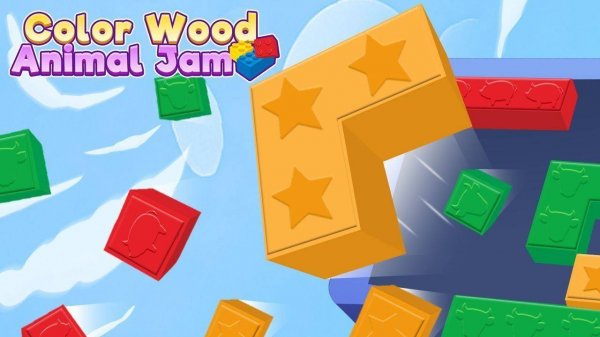
The game uses a warm, natural color palette that mimics the appearance of carved wood. Animal shapes are stylized with simple, friendly lines, making them easy to recognize. The background and board maintain a clean, uncluttered look that reduces visual noise. This design choice supports a calm, focused play session, ideal for unwinding after a busy day.
Early levels present boards with few slots and clearly distinct piece shapes. As the player advances, the number of slots increases and the shapes become more similar, requiring closer attention to detail. The difficulty curve is gradual, ensuring that new mechanics are introduced at a comfortable pace. This structure helps players build spatial reasoning skills over time without sudden spikes in challenge.
Because there is no timer or scoring pressure, players of different ages can enjoy the game at their own speed. The simple controls and intuitive goal make it accessible to young children, while the increasing complexity keeps older players engaged. This balance makes it a suitable choice for shared screen time or solo relaxation.






Comments
0 comments