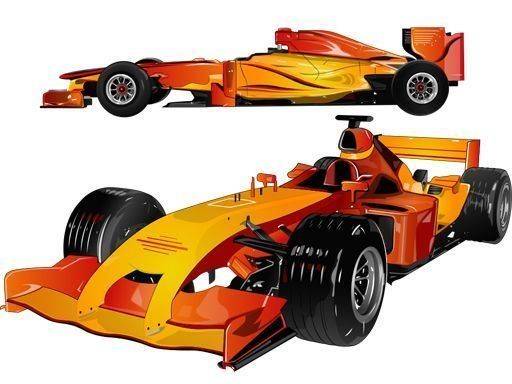
Slide & Match Kart Pictures delivers exactly what its name promises: a straightforward tile-sliding puzzle with charming cartoon karts. The three included images offer enough variety to keep sessions interesting, and the difficulty settings let both children and adults find a comfortable challenge. Controls respond well on touchscreens and with a mouse, so the game feels polished on any device. The lack of timers or pressure makes it a great choice for winding down while still exercising the brain. It may not have the depth of a larger puzzle collection, but for a quick, satisfying mental break, it hits the mark.
This sliding puzzle presents a grid of scrambled tiles that form a cartoon kart scene. Players slide tiles one at a time into the empty space to reconstruct the original image. The mechanic is straightforward: tap or click a tile adjacent to the gap, and it moves into that spot. Each move brings the picture closer to completion. The grid size changes with difficulty, so beginners start with fewer tiles while experienced players face larger arrangements. A preview of the finished picture stays visible, helping players plan their sequence of moves.
The game includes three distinct kart-themed images, each with bright colors and playful designs. These scenes feature karts in different settings, such as a sunny track or a whimsical landscape. Switching between pictures keeps the activity fresh, as each new image requires a different arrangement strategy. The artwork is family-friendly and engaging for younger players, with no complex or distracting elements.
Players can choose from multiple difficulty modes before starting a puzzle. Easier modes use a smaller grid, making the puzzle quicker to solve and ideal for children or those new to sliding puzzles. Harder modes increase the grid size, adding more tiles and requiring more steps to complete. This flexibility lets each player select a challenge that matches their comfort level. There is no time pressure, so users can solve at their own pace.
The game supports both mouse clicks and touch gestures, making it accessible on computers, tablets, and phones. Dragging a tile is as simple as sliding a finger or moving a cursor. The responsive controls ensure smooth movement without lag, which is important for maintaining focus during longer puzzles. Young children can easily interact with the interface because the tiles are large and clearly separated.
Regular play helps improve pattern recognition and spatial reasoning. As players learn to identify which tiles belong together, they build mental strategies for solving similar puzzles faster. The game also encourages patience and careful planning, since random moves can increase the number of steps needed. Over time, users may notice they complete puzzles more quickly and with fewer moves, reflecting their growing skill.









Comments
0 comments